How to Import Pet Products from China: Complete B2B Buyer's Guide
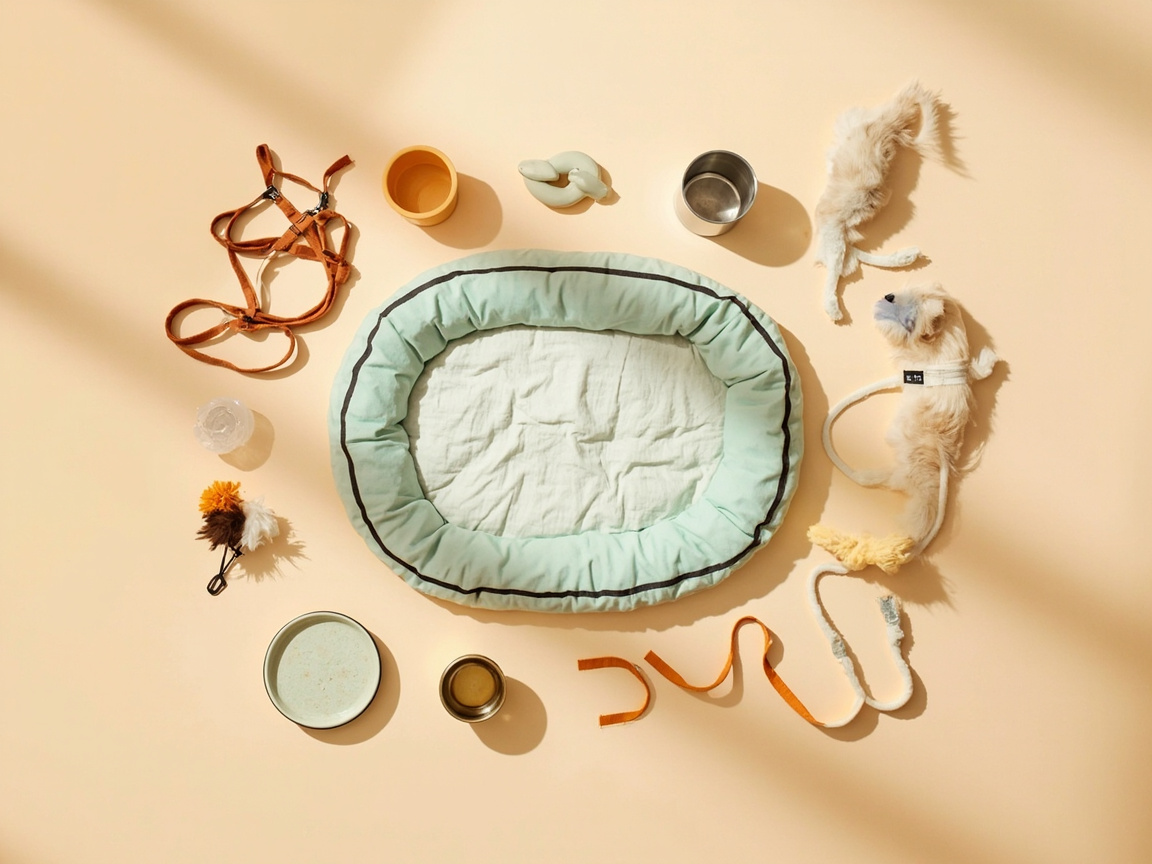
China supplies the majority of the world's pet products — from collars, harnesses and leashes to toys, apparel and smart electronics. For importers, pet retail chains and brand owners, buying directly from a Chinese manufacturer means better margins and full control over design and quality. This guide walks through the complete process.
1. Define Your Product Line First
Before contacting suppliers, decide exactly what you want to sell: category (dog, cat, small pets), price positioning, materials (nylon, biothane, leather, plush, rubber) and whether you need private-label customization. A clear product brief shortens communication and gets accurate quotations faster.
2. Find and Vet the Manufacturer
- Check export experience — a factory that already ships to Europe, Russia or South America knows compliance documents and packing requirements.
- Ask for business licenses, product test reports (REACH, AZO, CA Prop 65 where relevant) and references from existing clients.
- Request a video factory tour or plan an on-site audit before placing large orders.
3. Samples, Then Small Trial Order
Always approve pre-production samples and check stitching, hardware, breaking strength and finishing. A small trial order (500–1,000 pcs depending on product) validates both product quality and the supplier's reliability before you commit to volume.
4. Understand MOQ and Pricing Structure
Typical MOQ for pet accessories is 500–1,000 pcs per model and color. Price is quoted FOB (port) or EXW (factory) — confirm which one, and clarify packaging, barcode labeling and inner/outer carton specs in writing.
5. Compliance and Labeling
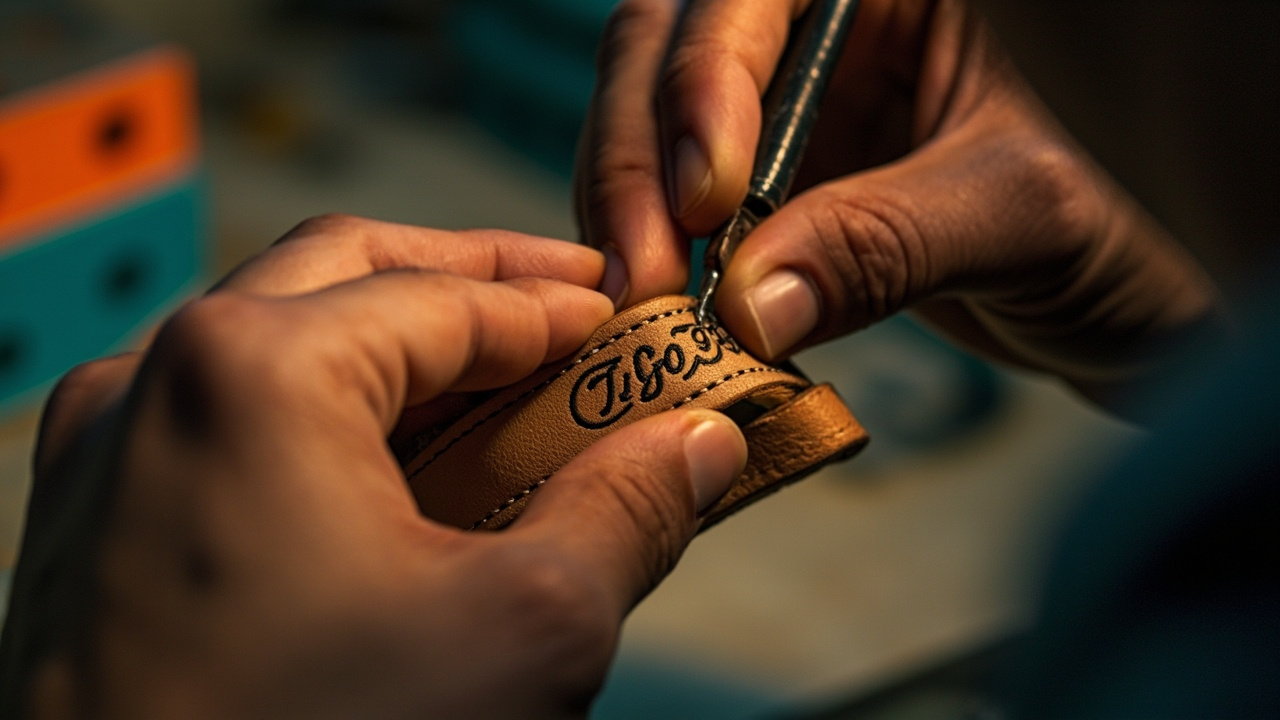
Destination markets require specific labeling: material composition, country of origin, importer information and local safety marks. Your supplier should support custom labels and hangtags for your brand.
6. Quality Control Before Shipment
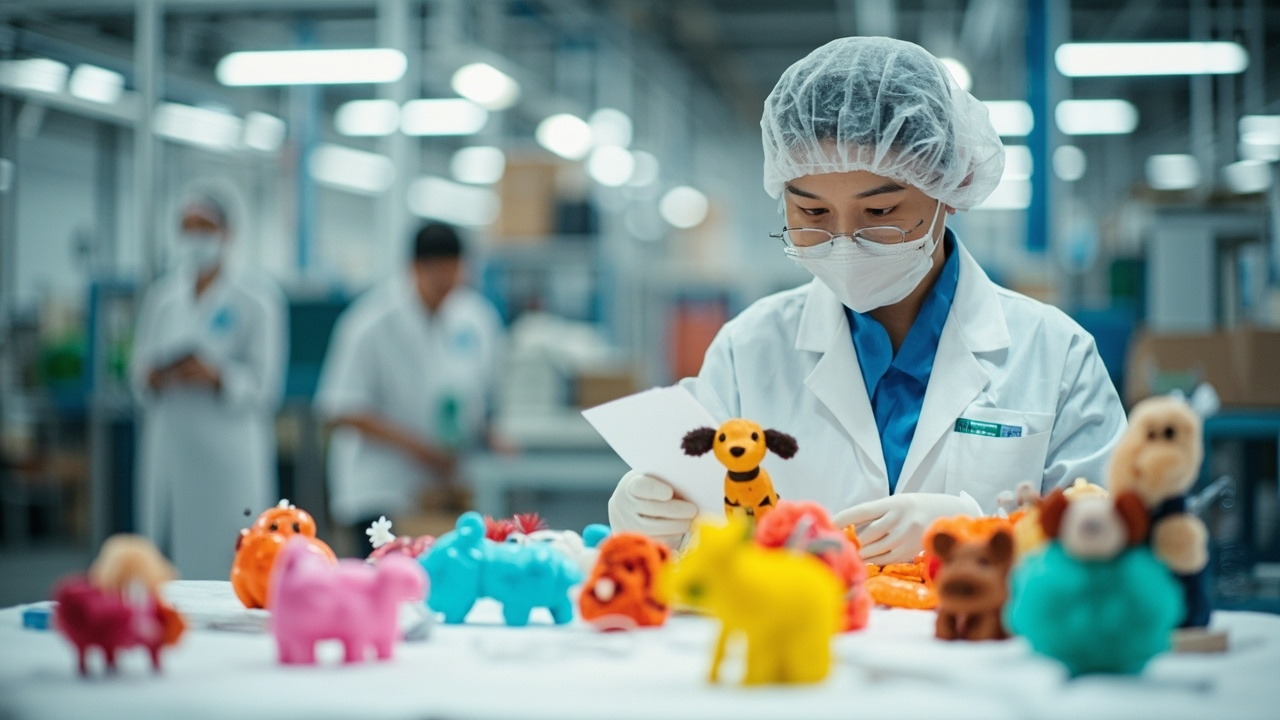
Book a pre-shipment inspection (PSI) or third-party QC check. For pet products, key checks include pull tests on straps and buckles, small-parts tests for toys, and colorfastness for apparel.
7. Shipping and Customs
Sea freight in full containers (FCL) is most economical for bulk; LCL and air freight work for urgent or small shipments. Prepare the commercial invoice, packing list and B/L, and confirm HS codes with your customs broker to avoid surprises.
Conclusion
Importing pet products is straightforward when the process is structured: vet the factory, approve samples, document everything, inspect before shipment. Cloud Pet supports wholesale buyers with OEM/ODM production, export compliance and door-to-door logistics — contact our team for a quotation.